
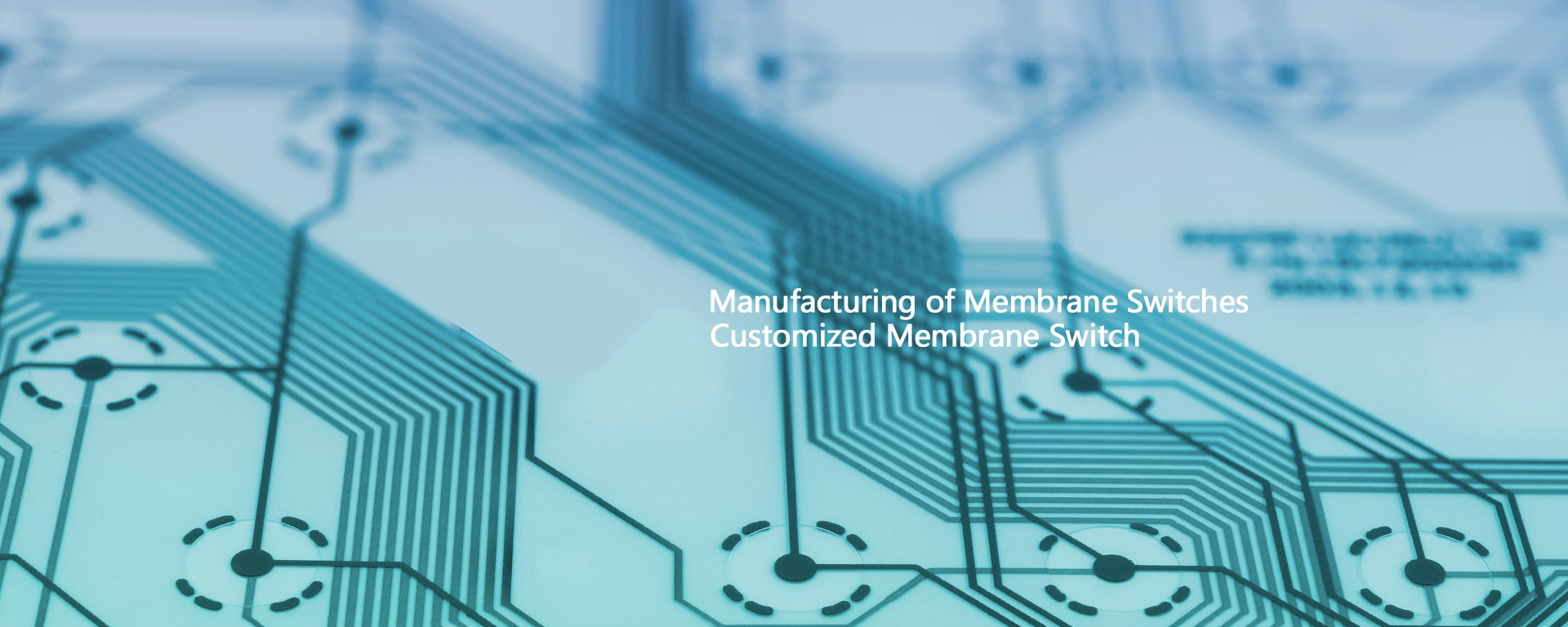
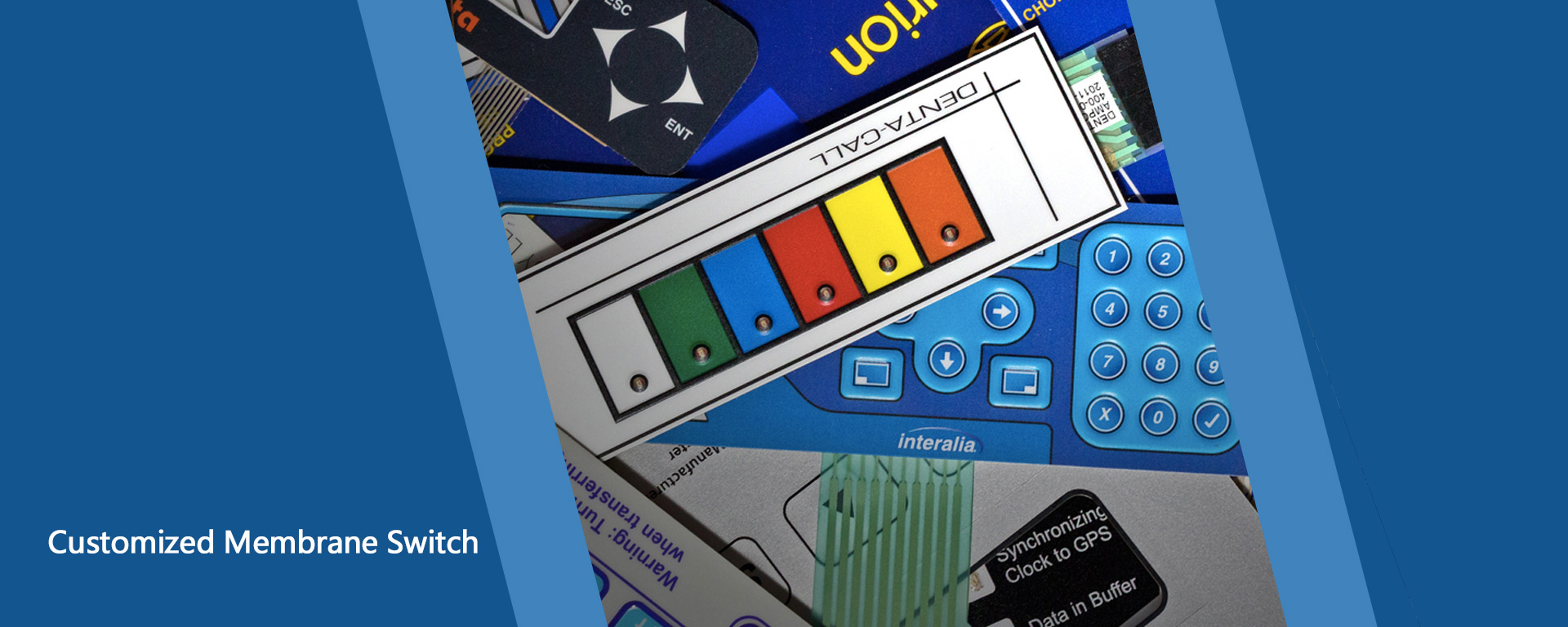
The membrane switch, also known as a touch-sensitive keyboard, adopts an integrated sealing structure composed of multiple layers on a flat surface. It is a new type of electronic component that integrates optics, mechanics, and electronics, sealing the key switches, panel, markings, symbol displays, and backing plate together. It represents a fundamental change in the appearance and structure of electronic products, and can replace conventional discrete component buttons to more reliably perform tasks in the operating system. [1]
The membrane switch has the advantages of good waterproof, dustproof, oil-proof, and harmful gas-resistant properties, stable and reliable performance, light weight, small size, long lifespan, convenient assembly, washable panel without damage to characters, rich colors, beautiful and generous appearance, etc. Using membrane switches makes your products more contemporary. The main types of membrane switch panels are electronic components that consist of a rigid or flexible printed circuit board as the base, with tactile or non-tactile buttons installed, and covered with a plastic (polycarbonate PC, polyester PET, etc.) film panel printed with colorful decorative patterns, integrating switching and decorative functions. It is a new type of human-machine interface. The connection between the switch circuit and the entire machine can be completed by soldering or plugging
Things to consider when manually adjusting colors in membrane switch printing
The production of membrane switches requires the involvement of a printing process, during which a screen printing machine is needed for printing. The quality of product printing depends on the printing operation process and various details. The color mixing process requires attention to every detail.
Color mixing is a highly skilled craft. There are three main colors, and it is these three that can decorate membrane switches beautifully. These three colors are red, yellow, and blue. Other colors can be obtained by mixing any two of these three colors, such as yellow and blue to make green. When mixing colors, it is important to thoroughly stir the ink to ensure that it is fully mixed to avoid color inconsistencies, which can lead to inconsistent colors on the membrane switch panel. After the colors are mixed properly, a comparison should be made. The color and gloss of the sample and the substrate should be consistent, and the printing parameters should be ensured to be consistent before printing. When printing, the main colors should be added first, followed by the secondary colors, according to the principle of going from light to dark, that is, white, yellow, orange, red, purple, blue, cyan, green, and black. Then, light colors should be made darker and dark colors should be made lighter. During the color mixing process, attention should be paid to color changes and the environment. During the printing process, it is important to keep good records and sample numbers for adjustment and selection. Another point to note is that when separating colors on a computer, use a gray background for colors, a white background for white, and a matte black background for black.
For good printing, color mixing is crucial. Only when the colors are well mixed can we achieve a more visually appealing membrane switch.


